 Time Tracker
Productivity Guides & Comparisons
Time Tracker Pro Blog
Deep dives on productivity tools, time tracking best practices, and local-first software privacy.
Featured Guide
Our comprehensive breakdown of the best browser time logging tools on the market.
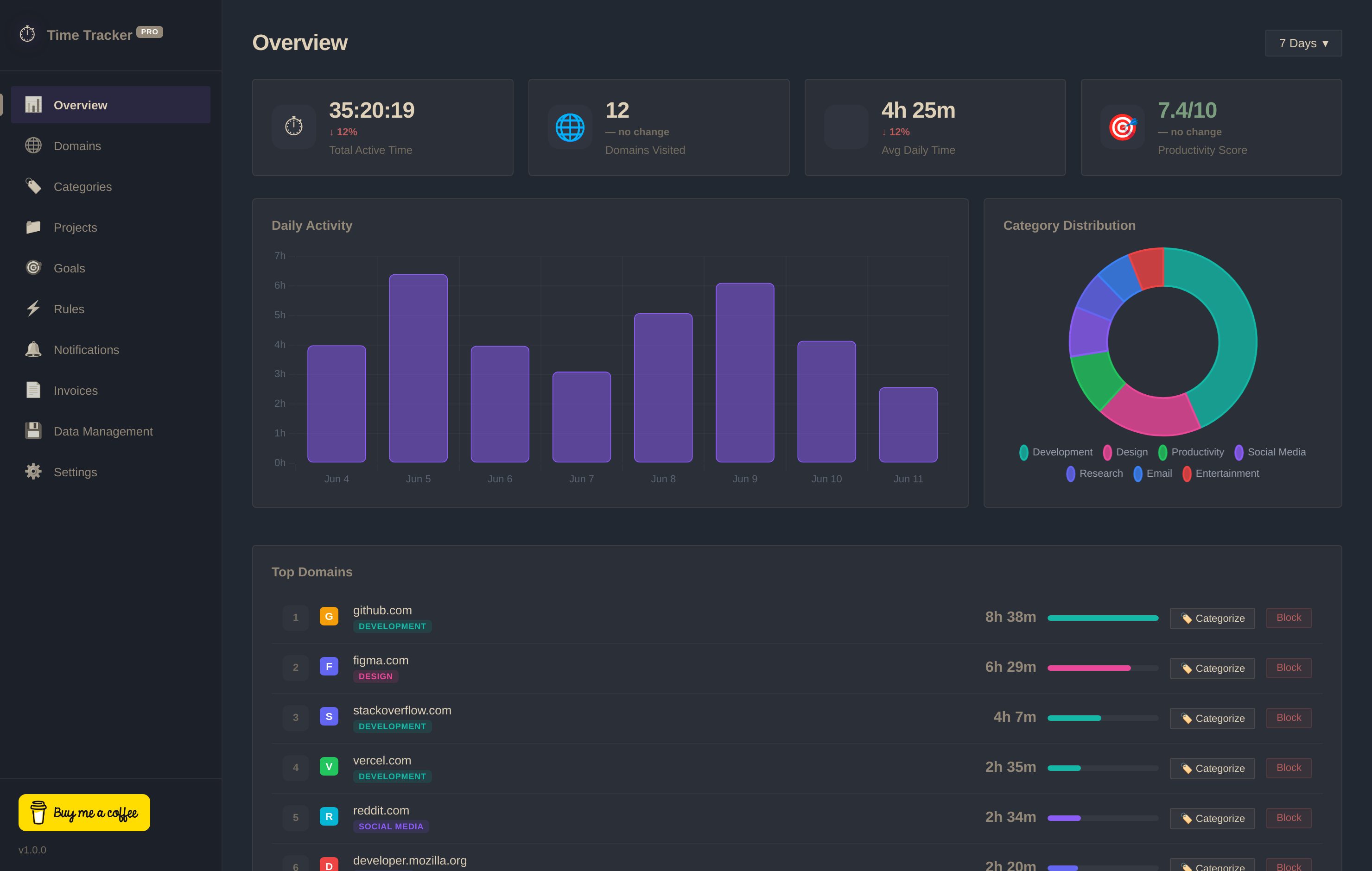
8 Best Time Tracking Chrome Extensions (2026)
Compare the best time tracking Chrome extensions for productivity, billable hours, and privacy. Learn why Time Tracker Pro is the top free, local-first alternative.
Read Full Guide →Competitor Deep Dives
Detailed comparison reviews highlighting features, pricing, and why keeping data local is the ultimate privacy win.
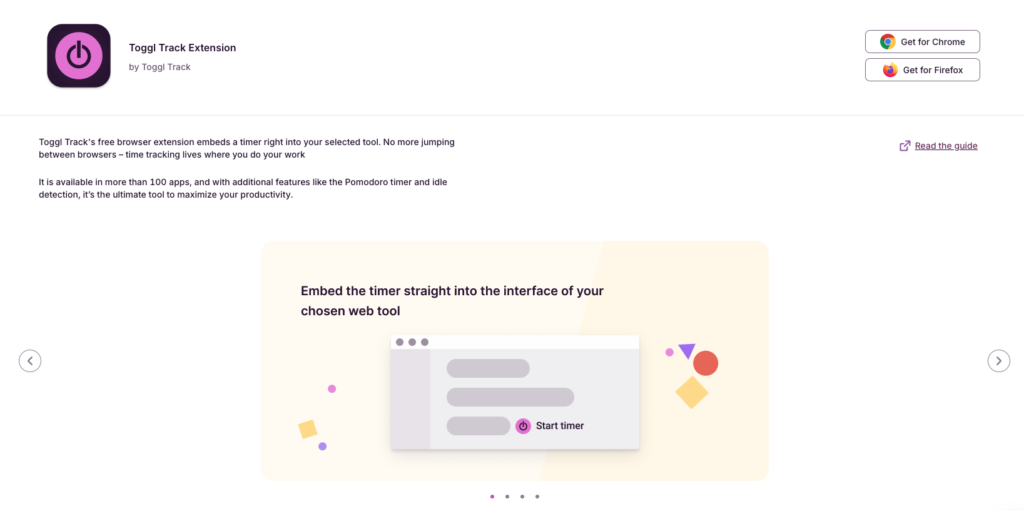
Toggl Track Alternative
Toggl Track is the industry standard for team billing, but introduces friction and high subscription costs for freelancers. Read why Time Tracker Pro is the ultimate free, zero-signup alternative.
Read Comparison →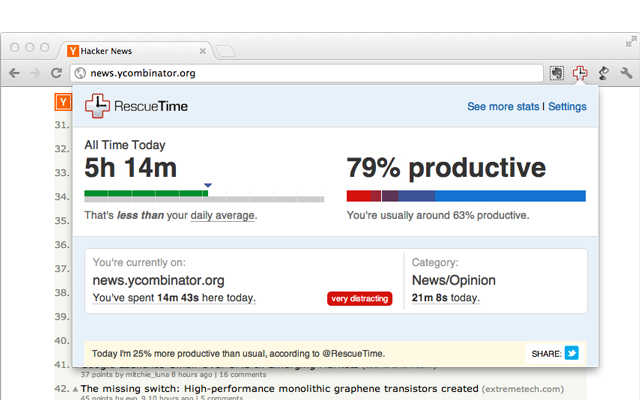
RescueTime Alternative
RescueTime logs browser hours automatically but hosts your complete detailed history on cloud databases. Discover a 100% private, local-first alternative.
Read Comparison →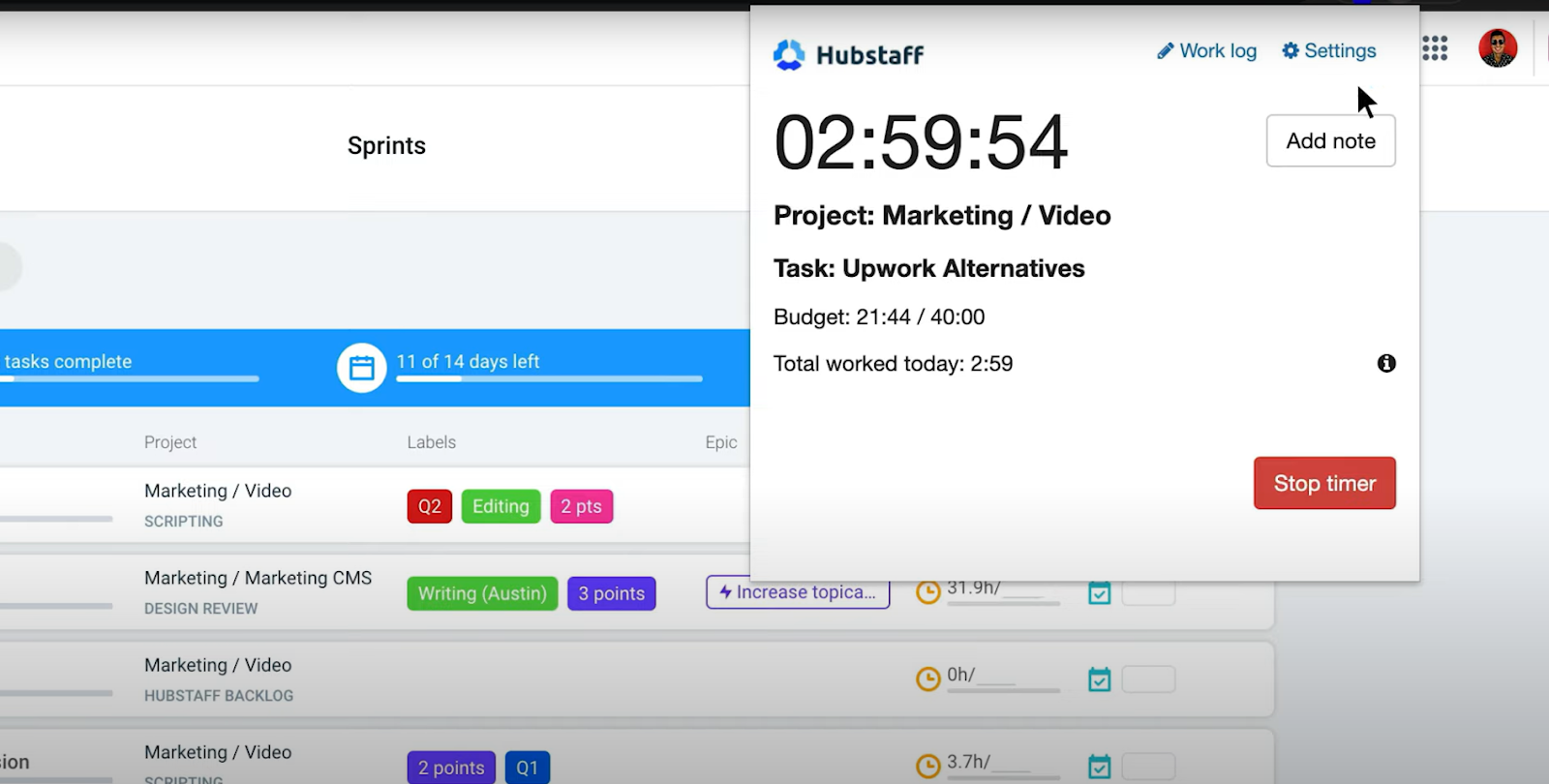
Hubstaff Alternative
Hubstaff tracks screen time for remote teams but employs keyboard counters and random screenshotting. Learn about anti-surveillance local tracking alternatives.
Read Comparison →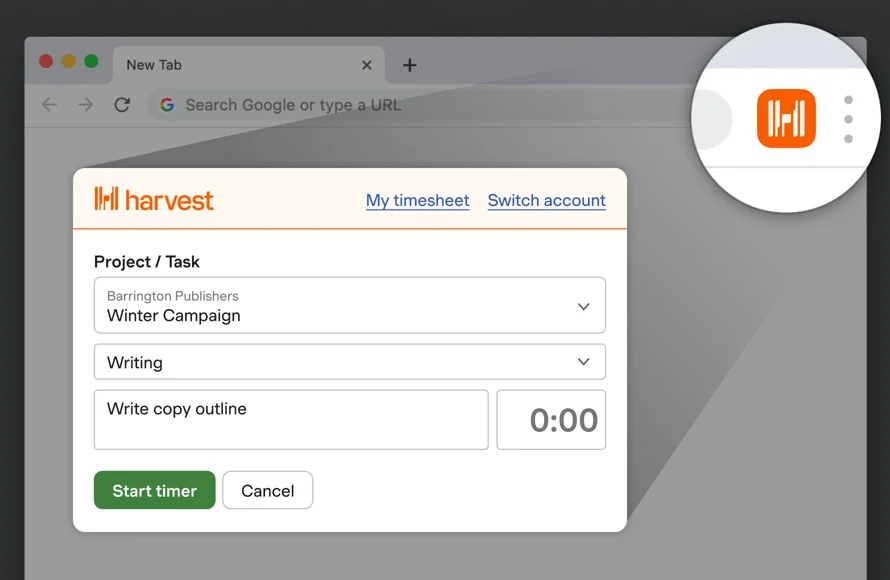
Harvest Alternative
Harvest simplifies payment links but restricts its free tier to two active projects. Read why our free built-in invoice creator is the perfect substitute.
Read Comparison →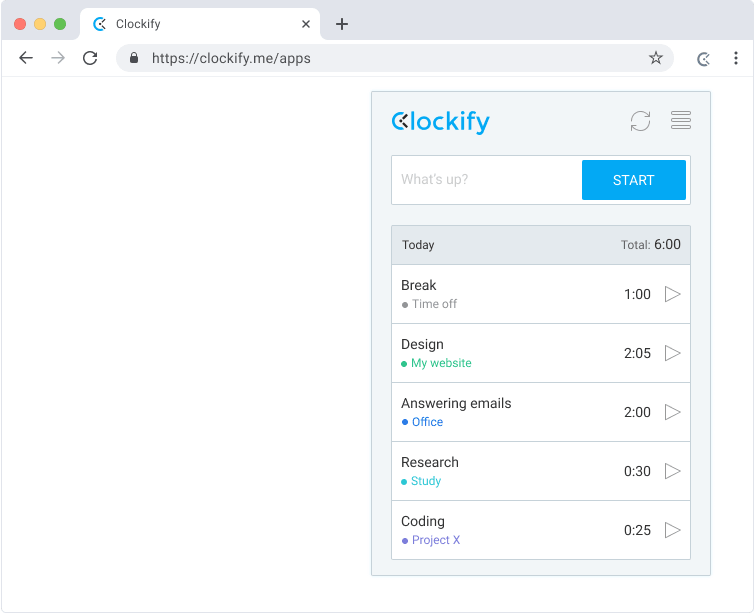
Clockify Alternative
Clockify is popular for team managers but requires cloud accounts and lacks passive domain tracking. Compare Clockify against local-first tracking.
Read Comparison →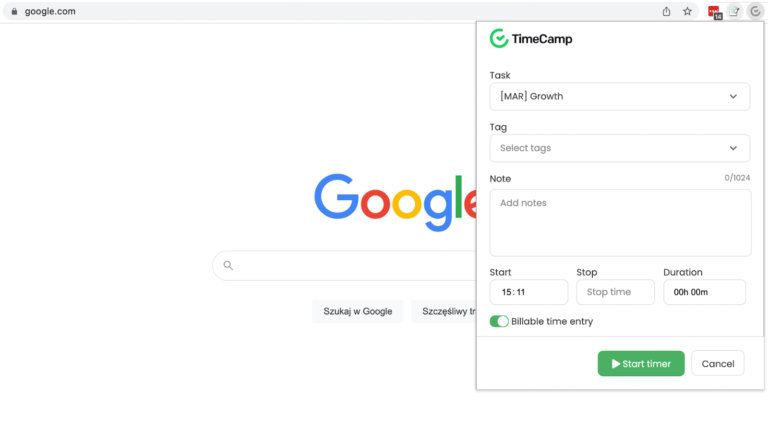
TimeCamp Alternative
TimeCamp integrates with multiple services but can feel heavy and cloud-dependent. Read why Time Tracker Pro is a lightweight, zero-click option.
Read Comparison →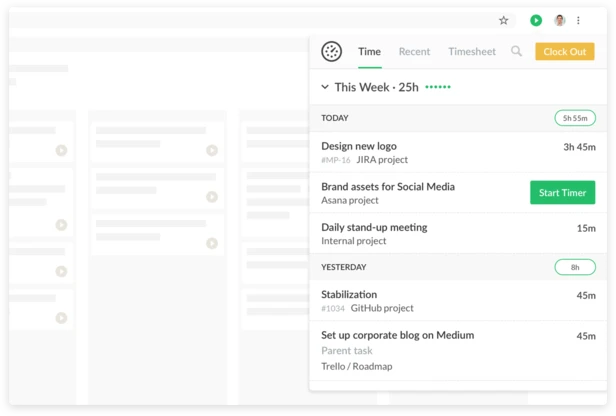
Everhour Alternative
Everhour injects UI widgets directly into project managers but requires a constant cloud connection. Compare Everhour with local background logging.
Read Comparison →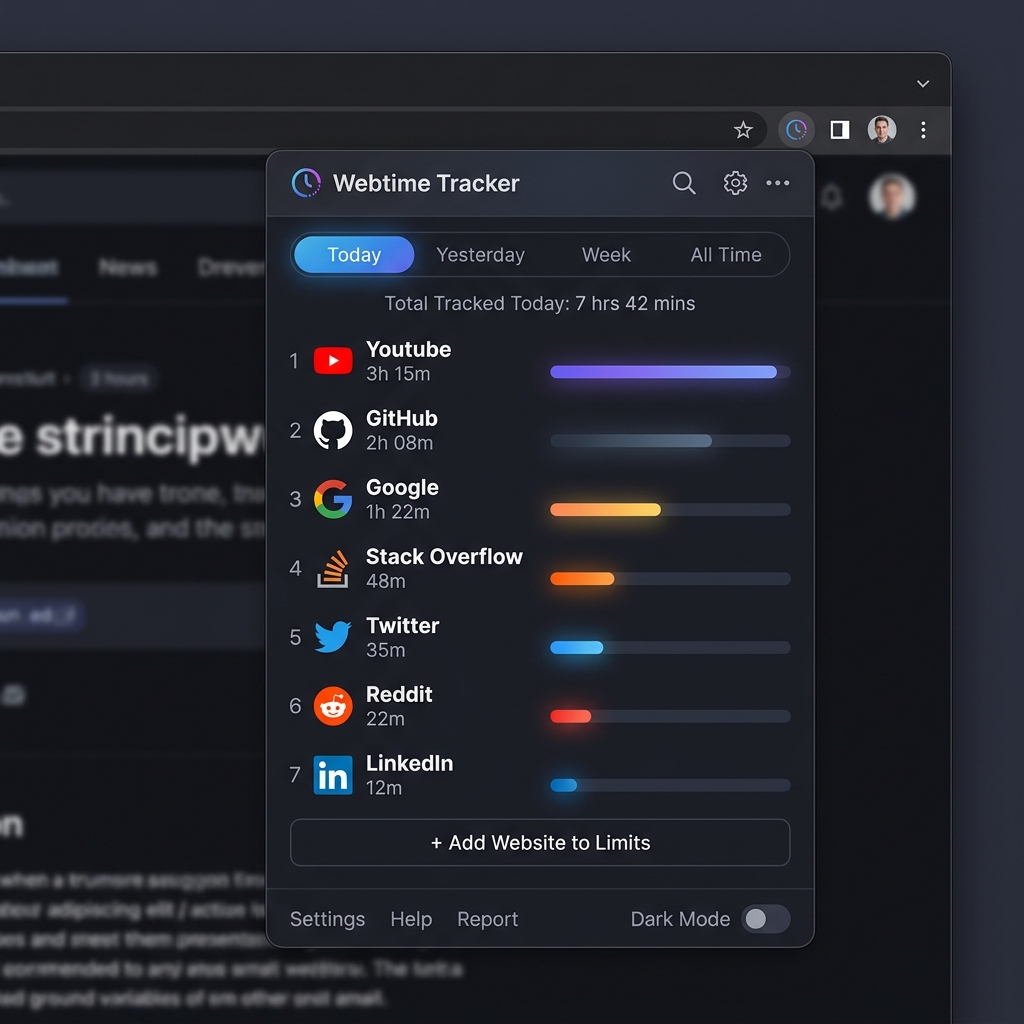
Webtime Tracker Alternative
Webtime Tracker logs domain usage locally but is based on legacy frameworks and lacks invoicing, limits, and blocking. See the comparison details.
Read Comparison →